
7 Mistakes to Avoid When Hiring a Refrigerator Repair Contractor
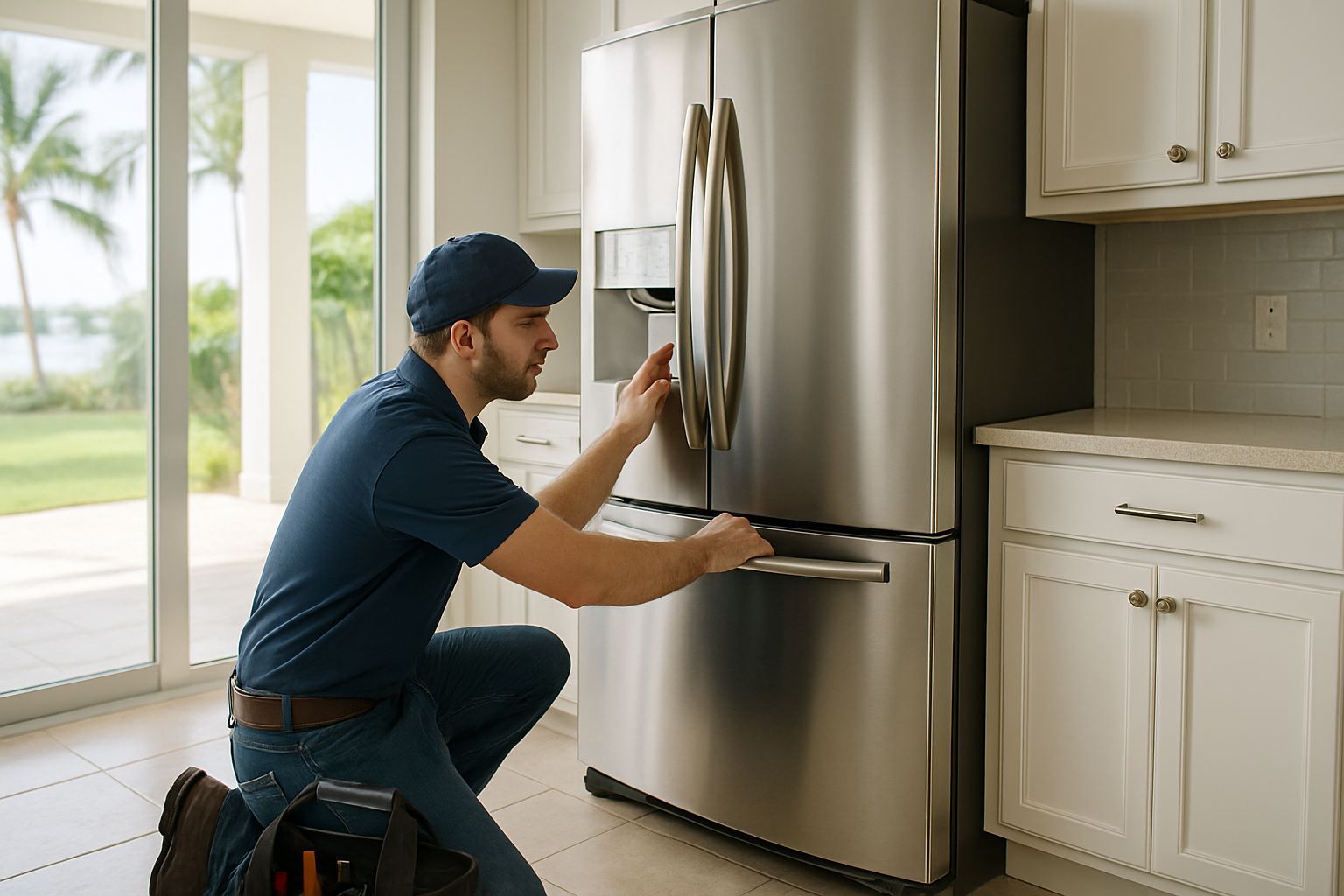
If you refrigerator needs to be fixed, you need to know your options for technicians. Here are mistakes to avoid when hiring a refrigerator repair contractor.

Your refrigerator should be about 40 degrees Fahrenheit. If it's any higher than this, your food might spoil or become dangerous for consumption.
But what if your fridge is acting up (and warming up)? Don't ignore this problem! Otherwise, you could end up with a nasty case of food poisoning.
You should hire a professional refrigerator repair contractor instead. However, before you pick up the phone and make the hire, there are a few mistakes you should make sure you avoid first.
We've put together this guide to help you learn how to hire the best refrigerator contractor for your home (and what you shouldn't do in the process).
Let's get started!
1. Choosing the Cheapest Option
When you're hiring a refrigerator repair contractor, your decision shouldn't be based on price alone. It might be tempting to hire the cheapest option you can find, but this won't help you save money in the long run.
Remember, you get what you pay for.
If you hire the cheapest contractor you can find, you'll also be getting the worst service. You may even have to hire a different refrigerator repair contractor later to fix the first one's mistakes.
It's a better idea to invest a bit of extra money into a quality contractor in the first place.
2. Not Doing Your Research
You should also spend some time online researching the refrigerator repair options in your area. This will ensure you get the best one at the best price (which probably isn't the cheapest!).
Check out the contractors' websites. Do they seem customer-oriented? Give them a call and ask about their services and prices. Do they have good customer service and put your needs first?
You should also visit some review sites, such as Yelp, to find out what their past customers thought about them. Don't just rely on the reviews they have posted on their website. Going to third-party websites will help you find any negative reviews if they're out there.
Keep in mind, just because a contractor has a few bad reviews doesn't mean they're a bad choice. It's impossible to please everyone. However, if a majority of the reviews are negative, you may want to stay away!
3. Hiring Them Before You "Meet" Them
It's a good idea to visit the contractor's office (or at least have a conversation over the phone) before you hire them. This will give you the opportunity to get to know them on a professional level and learn more about their services.
You can use this time to ask plenty of questions about their pricing, their experience, and what you can expect during the repair.
4. Not Asking for References
You've already read reviews, so you don't really need to ask for references, right?
Wrong.
References are a little different than online reviews. In most cases, references have contact information along with their review, which means you can get in touch with these people.
And you should.
Call or email these references and ask them what they thought about the refrigerator contractor. They'll be able to give you an insider's account of the contractor's customer service, the quality of their work, and whether or not they would recommend them.
A contractor should have at least a few references, and they should be happy to provide them for you. If not, proceed with caution. The references may not have anything good to say.
5. Not Considering Their Experience
How long has the contractor been in the business? Have they worked on refrigerators like yours?
You'll want to make sure the contractor you hire has several years of experience. This will give you peace of mind that they know what they're doing and that they've done it well before.
And since there are many different types so refrigerator models out there, make sure they have experience working on the type in your kitchen. Not all refrigerators are the same, and they require different tools, parts, and skills to repair.
6. Not Checking Their Insurance and Certifications
Just because a refrigerator repair contractor has all the right experience and references doesn't mean you should hire them. You need to check their insurance and certifications first.
A contractor should be able to provide you with proof of insurance. They should also have at least one certification that shows they're qualified to work in this field.
Never hire a contractor that doesn't have insurance. Something could go wrong during the repairs, and if they don't have insurance, you might be liable for any and all damages.
7. Putting It Off
You might be tempted to put off hiring a refrigerator repair contractor when you start to notice something's not quite right with your fridge. But this is a bad idea.
The longer you wait, the worse the problem will get. This means the repairs will take longer, and you'll likely have to pay more money to fix it. You should always hire a contractor right away.
Doing so will help you get your refrigerator back up and running as fast (and as affordable) as possible.
How to Hire a Refrigerator Repair Contractor
Now that you know what not to do, you're ready to hire a refrigerator repair contractor for your kitchen. But where do you start?
We've got you covered.
Our team provides refrigerator repair services that'll get your fridge working again so you can get back to cooking. Don't hesitate to reach out to us to learn more about our services. You can also schedule a repair appointment with us by calling (561) 396-9878 today.